
Location
South East London
Credits
Architect: Hannah Campbell Design
Photography: Jocelyn Lowe (for Uncommon Projects)
The Coach House, Brockley
Originally dating from the 1830s, The Coach House is a unique former coach house located in South East London. Before its conversion into a family home, the building had most recently been used as a sculptor’s workshop and studio, retaining many of its original features and character but requiring extensive refurbishment to make it suitable for modern living.
Working closely with architects Hannah and Neil Campbell, the brief was not simply to renovate the building, but to carefully preserve and celebrate its history while creating a contemporary family home that respected the existing structure and fabric of the property.
Bringing Architectural Vision to Life with Precision and Craftsmanship
Our Role
McGarry Contracts carried out the comprehensive refurbishment and construction works, delivering a highly bespoke project that required careful coordination, craftsmanship and a sensitive approach to working within an existing historic building.
The works included a sensitive and carefully phased strip-out, allowing original features and historic fabric to be retained wherever possible. Alongside this, the project involved structural alterations, new insulated floor slabs, polished concrete flooring with underfloor heating, refurbishment of the lower ground floor accommodation, new timber and steel structural elements, bespoke joinery, glazing installations and the construction of a carefully detailed zinc-clad first-floor addition, providing a contemporary family bathroom while respecting the character of the existing building.
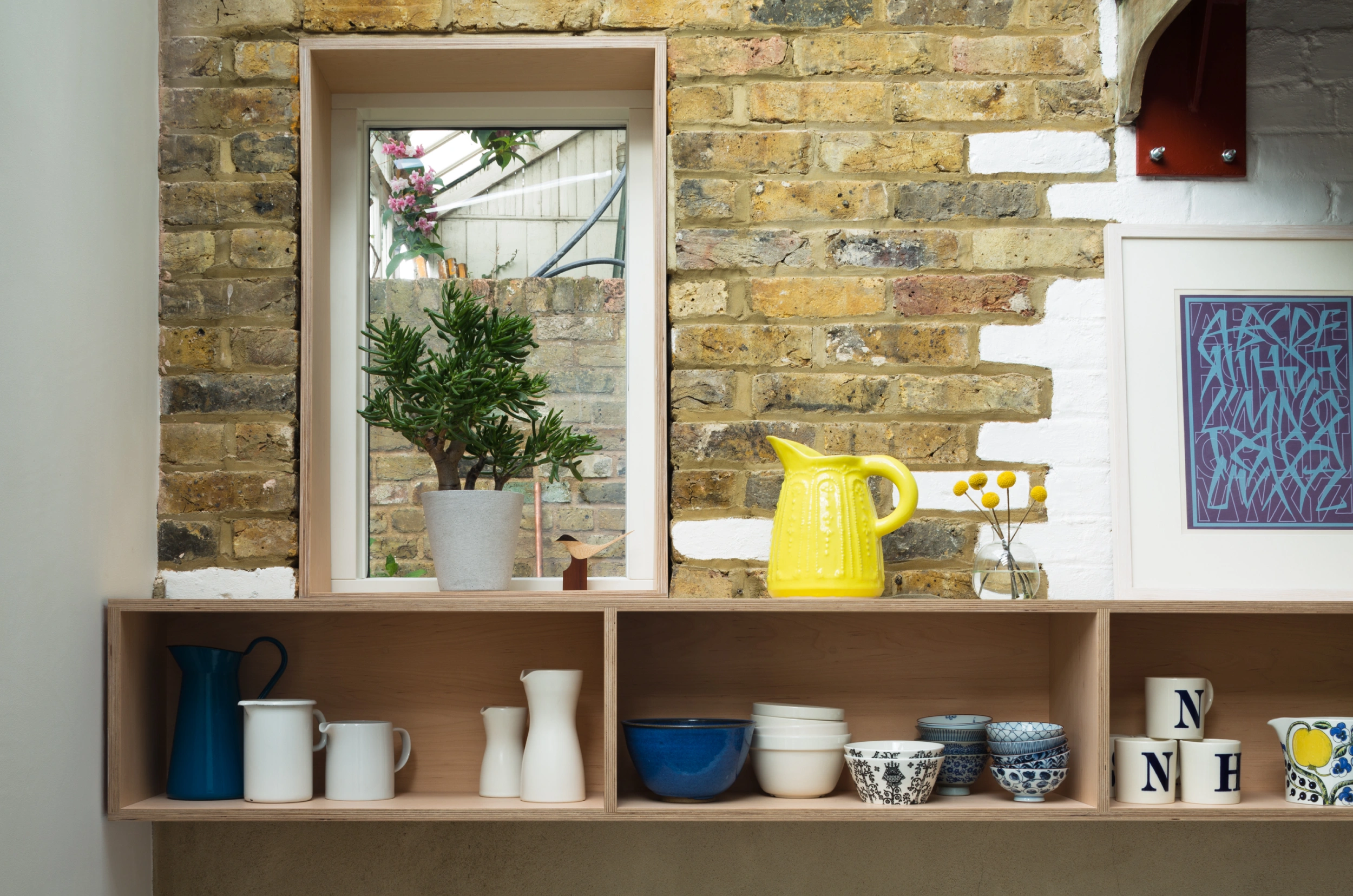
Throughout the project, significant emphasis was placed on retaining original features wherever possible. Existing materials were carefully repaired, restored and incorporated into the completed design, allowing the building’s history to remain visible and celebrated throughout the finished home.
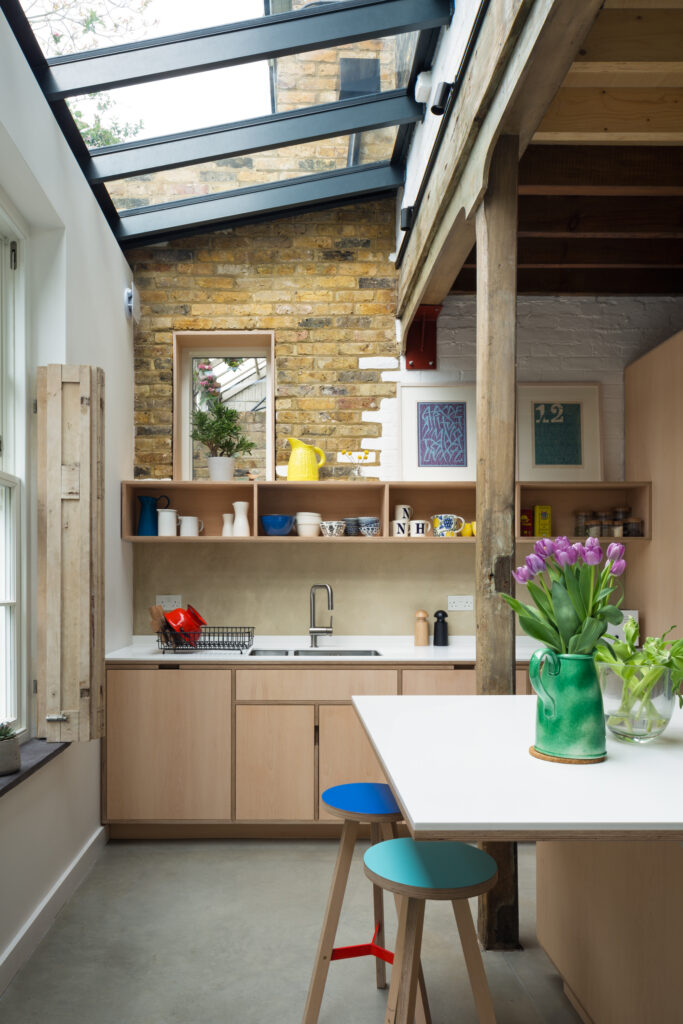
While the overall architectural vision was established through the design drawings, much of the project’s success came from the ongoing dialogue between Hannah, the site team and McGarry Contracts as the existing building was carefully opened up and understood. Working within a historic structure inevitably presented challenges and discoveries that required considered solutions, with many details refined and developed during construction.
Architectural Approach
Working closely with Hannah and Neil Campbell throughout the project, the design evolved through a collaborative process that combined thoughtful architectural design with practical construction expertise.
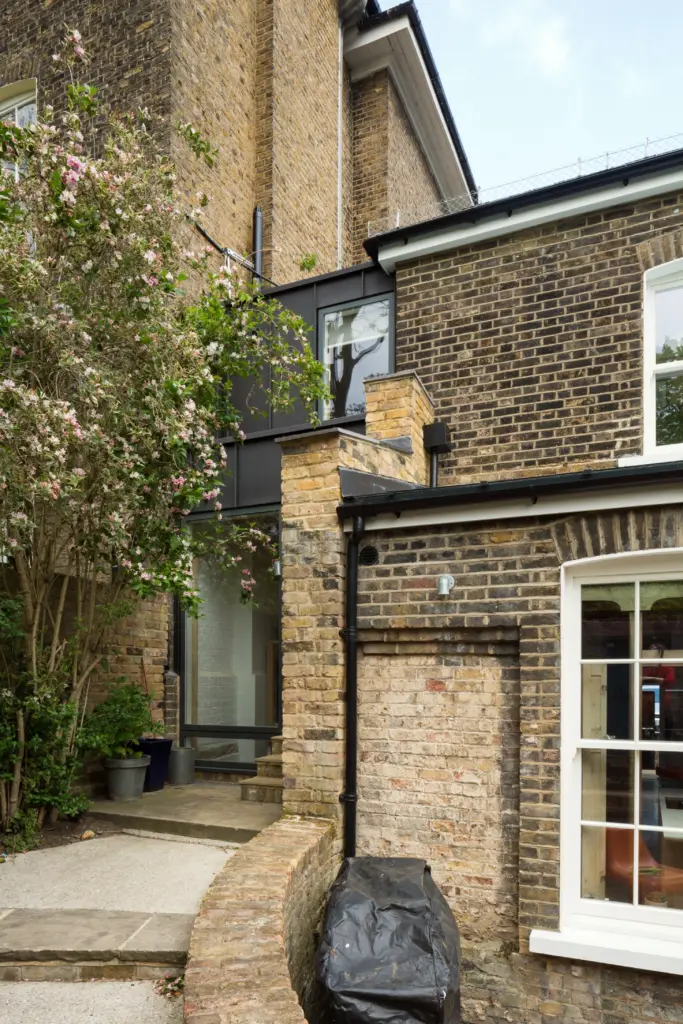
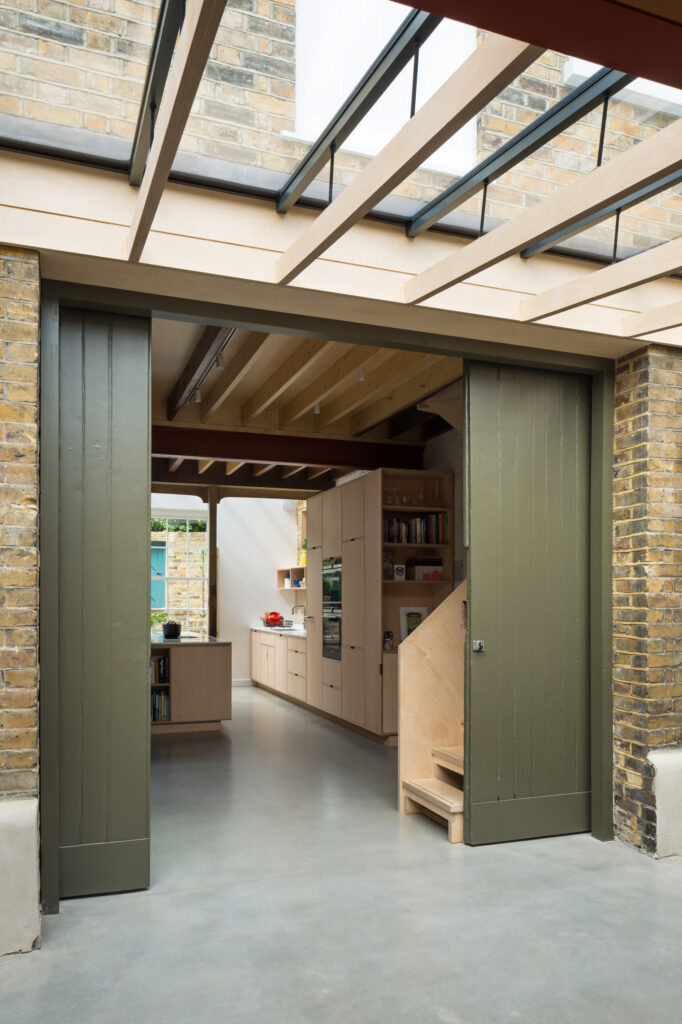
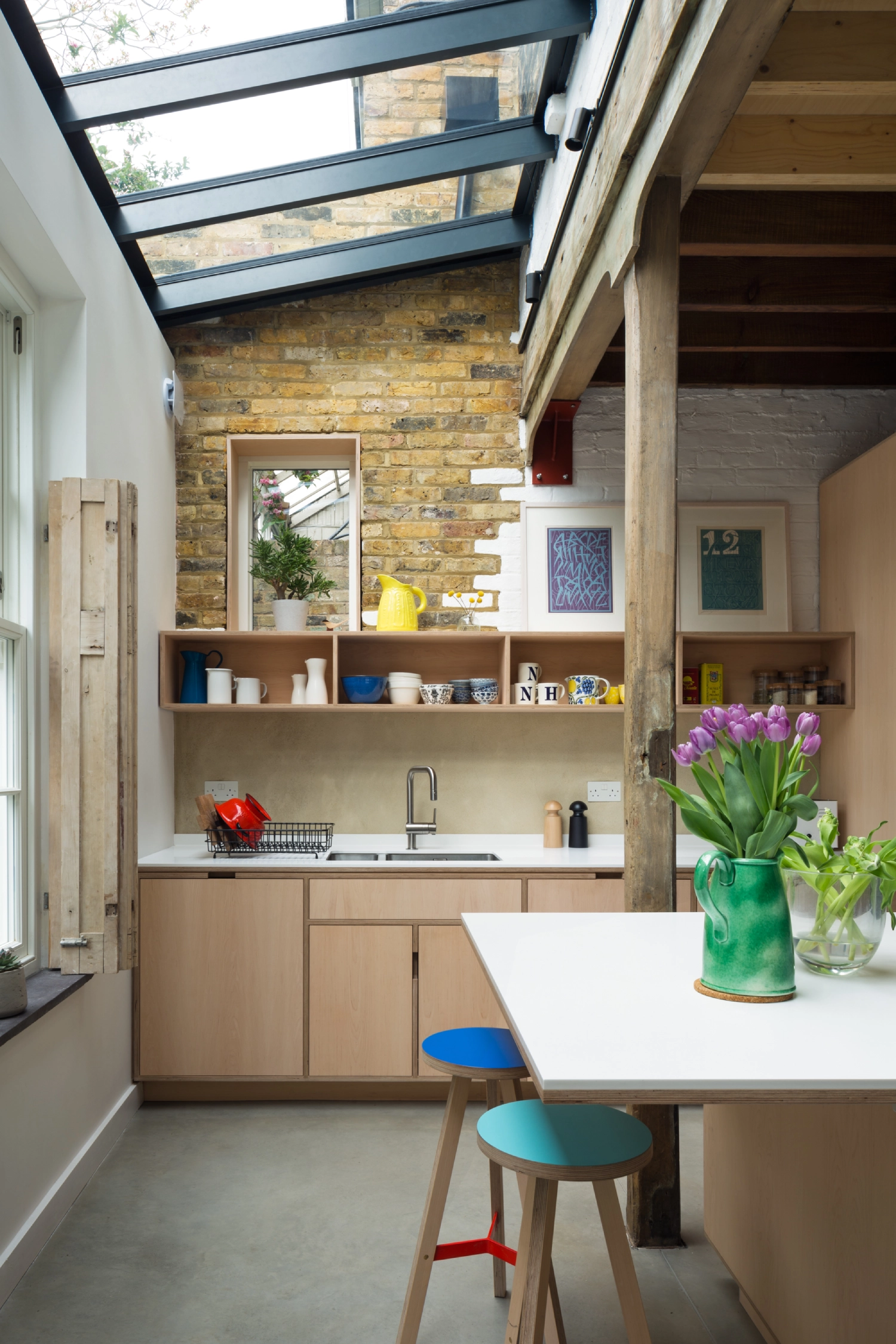
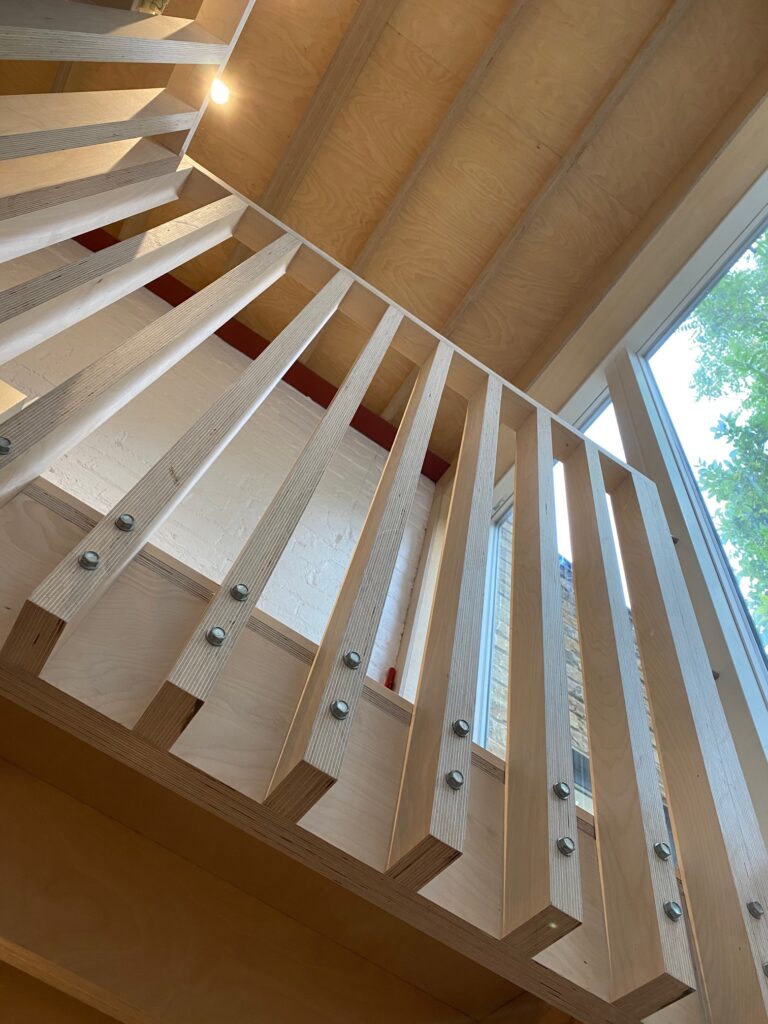
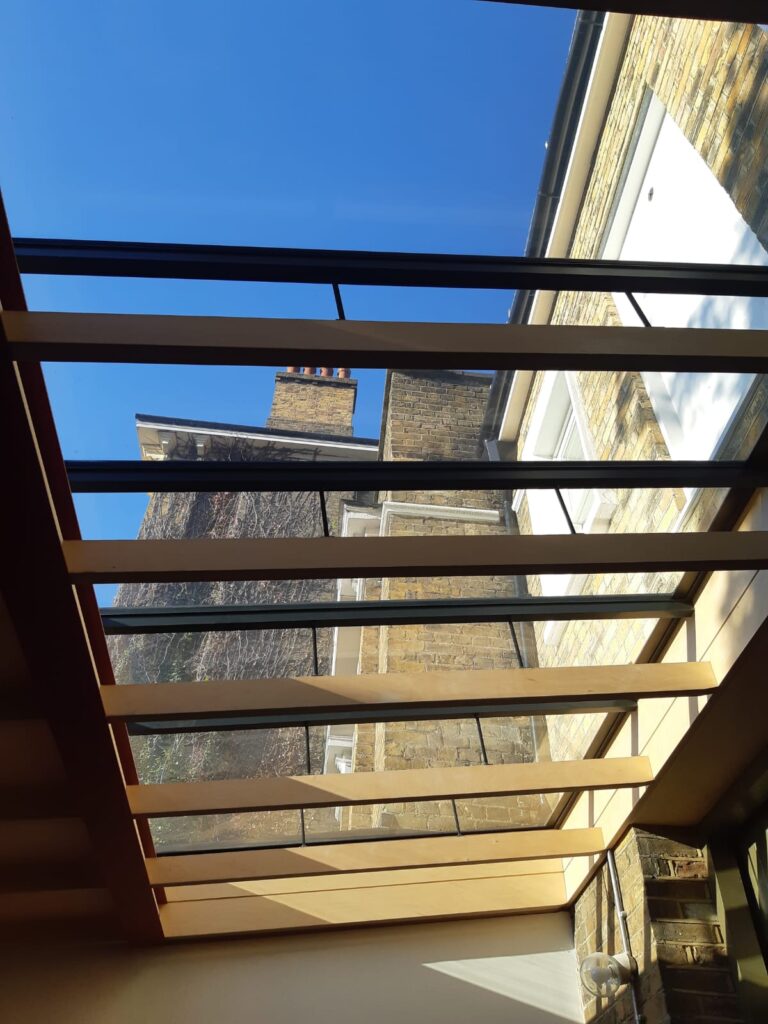
The extensive use of birch plywood, exposed structural steelwork, carefully detailed glazing and bespoke joinery creates a home that reflects both the building’s heritage and the architects’ design vision. Throughout the project, there was a conscious effort to celebrate the building’s history rather than conceal it, allowing the original coach house to remain visible within the finished home.
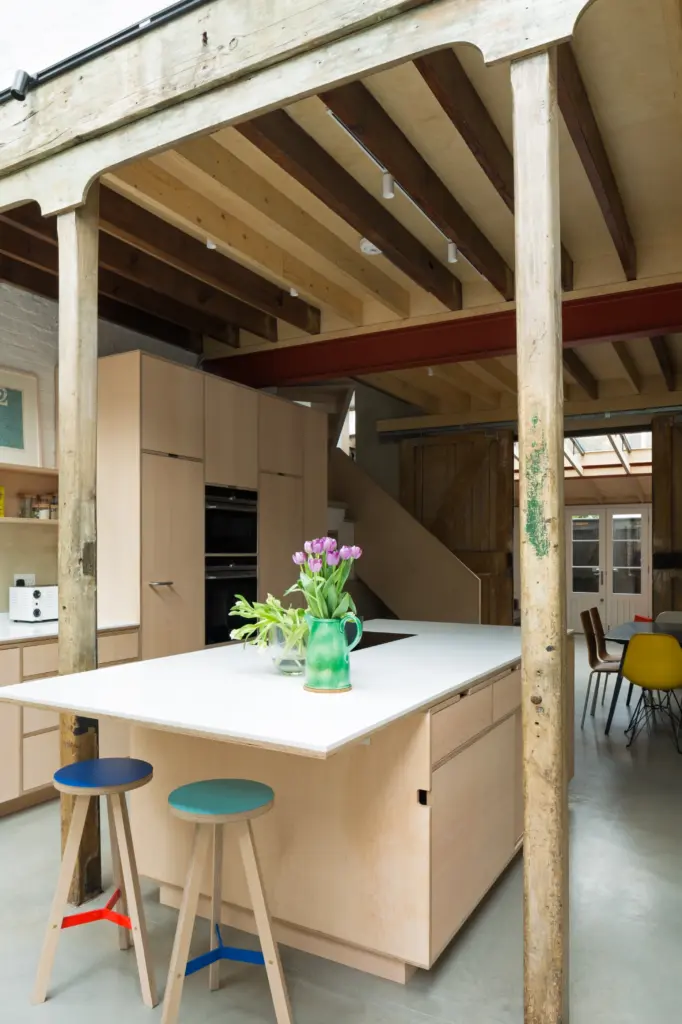
Hannah’s approach focused on retaining as much of the building’s original character as possible while introducing contemporary elements that felt honest and appropriate to the existing fabric. Existing timber members, brickwork and historic features were carefully preserved where practical, while new structural and architectural elements were introduced in a way that clearly distinguished old from new.
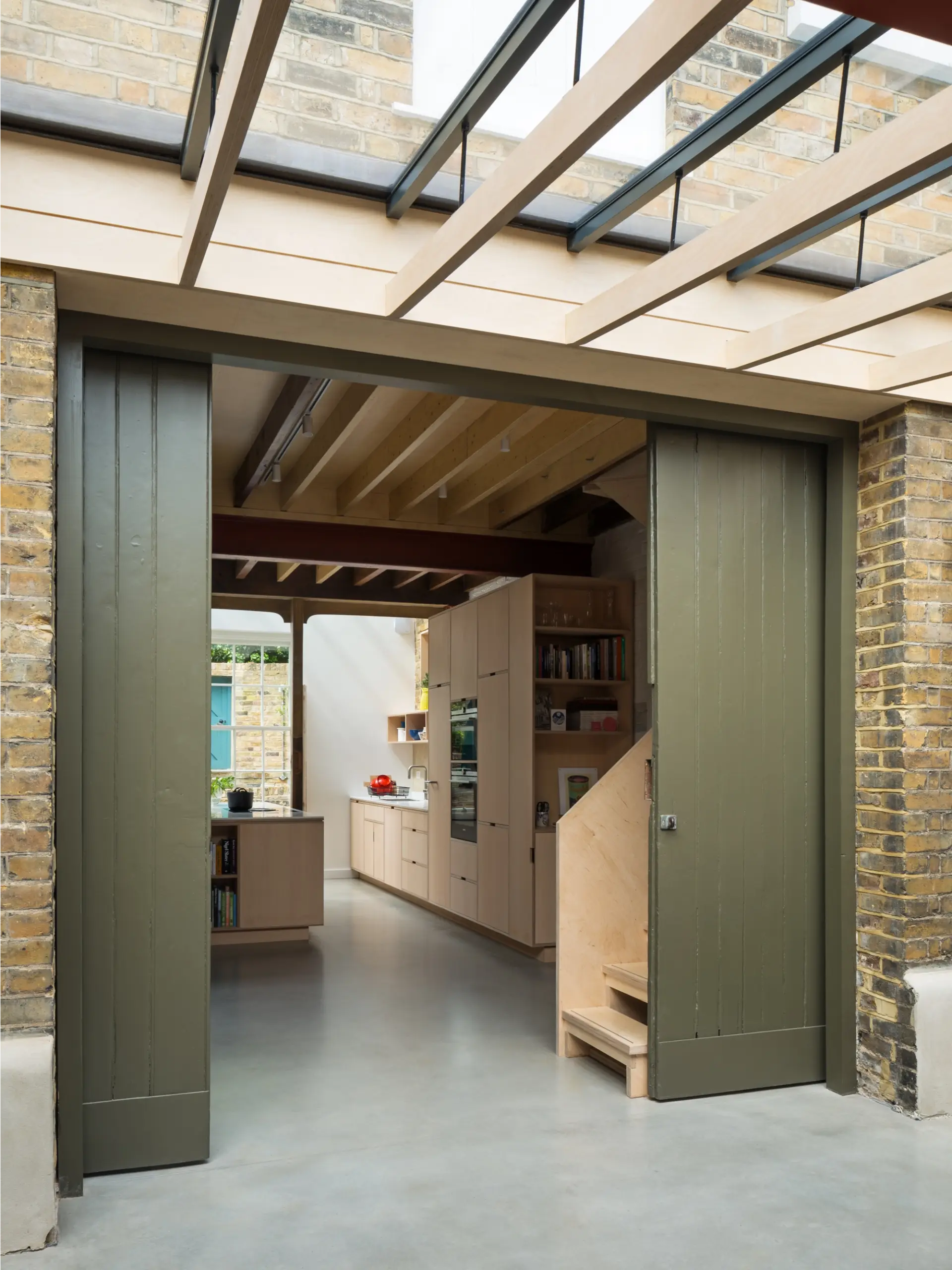
Features such as the original coach house doors were carefully restored and retained as part of the finished design. Due to their size and weight, the doors were rehung using robust industrial-style sliding door gear, reflecting the building’s working heritage while allowing them to remain fully functional within the new home.
Craftsmanship & Detail
This project demanded a high level of craftsmanship throughout. Much of the detailing was developed directly on site, requiring close collaboration between the architects, specialist trades and our site team.
The extensive use of birch plywood joinery, bespoke stair construction, exposed structural elements and carefully integrated services created a home that feels both contemporary and deeply connected to the building’s original purpose and character.
Particular attention was given to the restoration of the front elevation, where traditional stucco detailing had been lost over time. Working from the adjacent original features, Chris Sullivan carefully recreated the stucco surround and decorative architrave detailing to a restored window opening, ensuring the new work blended seamlessly with the historic façade.